3D Printing Breakthroughs to Watch in 2026
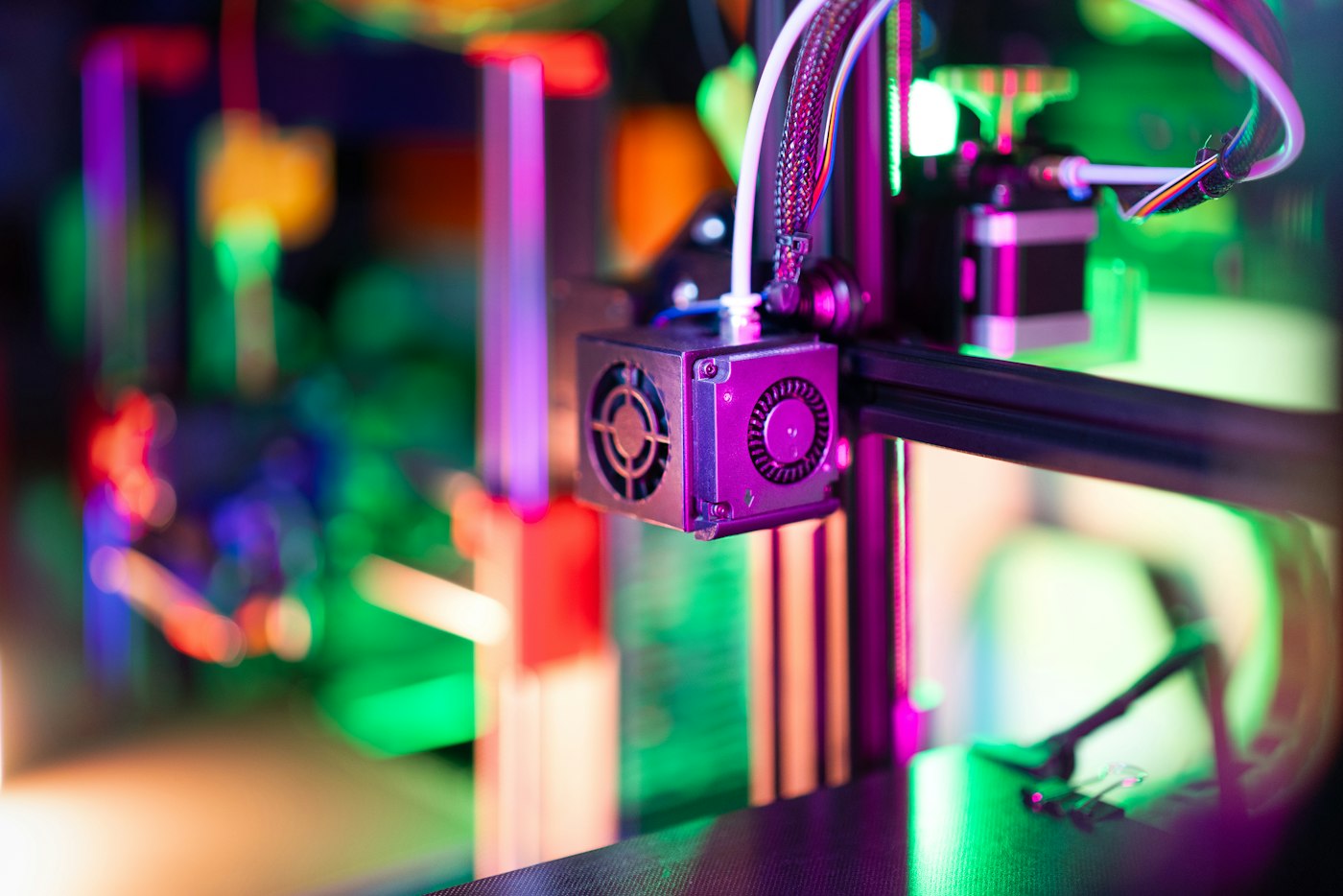
The hype around 3D printing has come in waves. First it was the “factory in every home.” Then it became a prototyping tool for engineers and designers. In 2026, the story is different. The technology is quietly crossing from “useful for prototypes” to “good enough for real products.”
Here are the breakthroughs that will shape the year.
Multi-Material Printing Goes Mainstream
For years, desktop 3D printers worked with one material at a time. PLA. ABS. Resin. That was it. The real world rarely works that way. A phone case needs a hard shell and a soft grip. A robotic gripper needs rigid links and flexible joints. A wearable needs skin-safe contact surfaces plus durable structure.
In 2026, multi-material printing is moving from industrial labs to accessible machines. New extrusion systems switch between rigid and flexible filaments mid-print. Resin printers combine tough structural resins with soft, rubber-like materials in the same build. The result is functional assemblies printed in one go, not glued together after the fact.
This matters because it closes the gap between a printed object and a finished product.
AI-Generated Structures Inside Your Models
Design for 3D printing used to be hard. Engineers had to think about overhangs, support removal, wall thickness, and part orientation. AI is changing that.
Generative design tools now create internal lattices, topology-optimized shapes, and support-free geometries automatically. You tell the software what the part needs to do. It figures out how to print it. This is not just faster. It unlocks shapes that human designers would never sketch by hand.
At Slashee, this trend shows up in the products we design every day. Cleaner internal structures mean fewer supports. Fewer supports mean less post-processing. And less post-processing means a better finished surface.
Speed Is Becoming a Non-Issue
The classic knock on 3D printing is that it is slow. A complex resin print could take 12 hours. A large FDM part could take days. That is changing.
New continuous printing systems and multi-laser metal machines are cutting build times by 50–80%. In resin printing, faster-curing polymers and smarter exposure algorithms are pushing layer times down. Some desktop machines now print at speeds that would have seemed impossible a few years ago.
Speed alone is not the point. The point is that 3D printing becomes economically viable at larger scales. When a print finishes in hours instead of days, the math for small-batch production starts to work.
Post-Processing Finally Gets Automated
The dirty secret of 3D printing has always been the cleanup. Remove supports. Wash off resin. Sand. Cure. Polish. For many users, this takes longer than the print itself.
2026 is the year that changes. Automated support removal, robotic sanding, and integrated wash-and-cure stations are becoming standard in professional workflows. Even on the desktop, all-in-one machines that print, wash, and cure in one device are becoming more common.
Better post-processing is not a small improvement. It is what turns a rough print into a product you can sell.
Sustainability Becomes a Selling Point
3D printing has a materials problem. Filament spools, resin bottles, and failed prints create waste. But the industry is responding.
Recycled filaments, bio-based resins, and solvent-free production methods are getting serious investment. On-demand printing also cuts waste in a different way: you print what you need, where you need it, instead of molding ten thousand units in one factory and shipping them around the world.
For makers and small brands, this is a real advantage. Local production and recyclable materials are not just good for the planet. They are good marketing.
What This Means for Makers
If you are designing and selling physical products, 2026 is a good time to take 3D printing seriously. The technology is not perfect, but the gap between “printed” and “production-ready” is closing fast.
Smarter materials, AI-assisted design, faster machines, automated finishing, and greener workflows all point in the same direction: 3D printing is becoming a genuine manufacturing option, not just a prototyping shortcut.
At Slashee, that is the world we build for. Our prints are designed to look like finished goods from the first layer to the final touch. Because in 2026, that is exactly what customers expect.
Ready to see the difference? Explore the latest at slashee.tech.