Why 3D Printing Is the Last Mile of Creative Execution
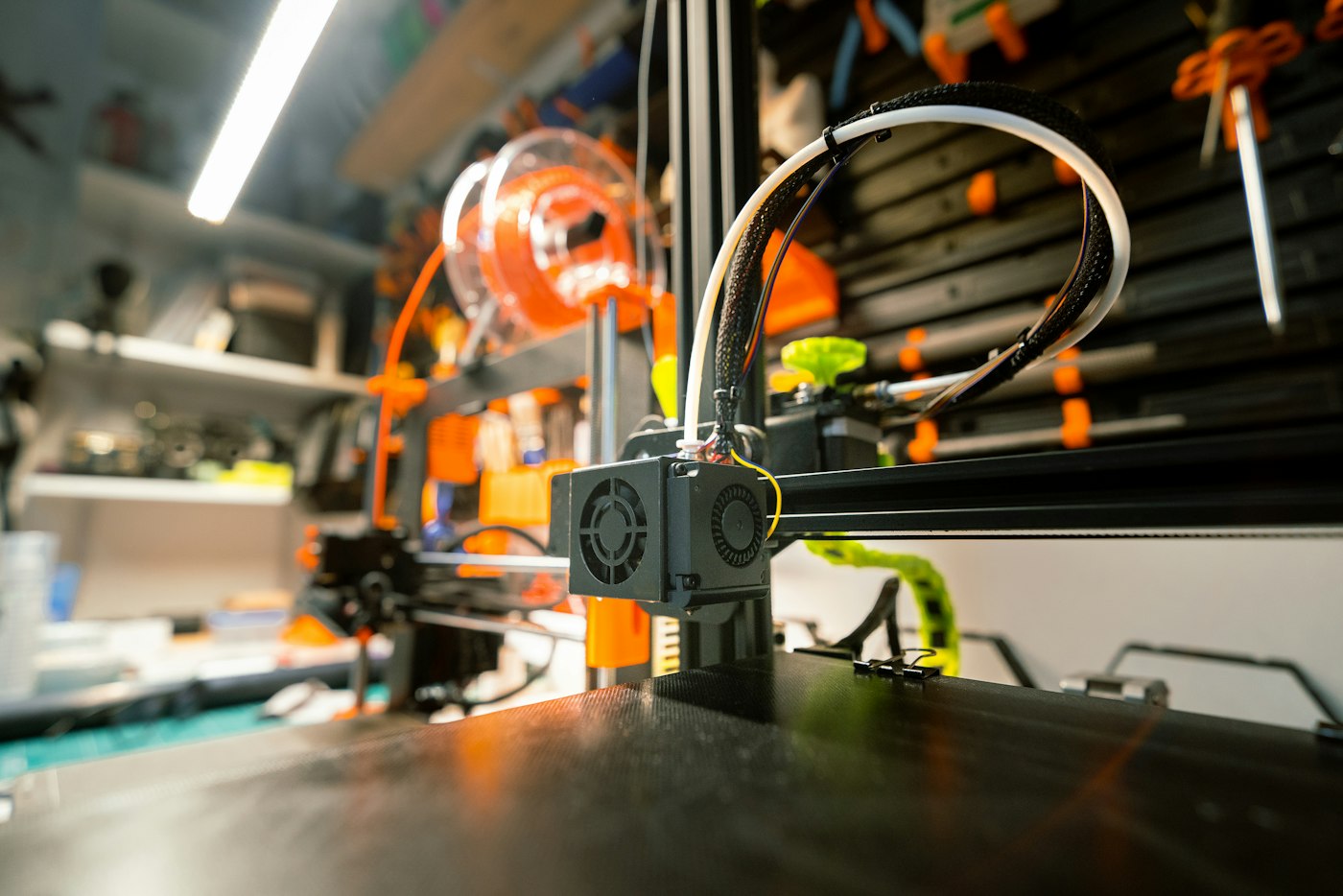
Everyone has a brilliant idea at 2 AM. A character design that would make an incredible desk toy. A custom gift that nobody else could possibly give. A product concept so niche that no factory would ever touch it. The idea sits in your head, perfect and alive — and that's exactly where it dies.
Not because it's bad. Because making it real feels impossible.
That gap between "I have an idea" and "I'm holding it in my hands" is what kills more creative projects than lack of talent, funding, or market demand combined. And for decades, that gap was controlled by a manufacturing industry that couldn't care less about your single-unit, weird-shaped, highly personal idea.
The Death Valley of Ideas
Traditional manufacturing has a cover charge, and it's brutal. Injection molding wants a mold — several thousand dollars minimum, often much more. Then there's minimum order quantities, usually in the thousands. Lead times measured in weeks or months. By the time you get your first prototype, you've spent a small fortune and lost the creative momentum that made the idea exciting in the first place.
This is what the industry calls "tooling cost." For creative people, it's a wall.
Most ideas hit that wall and stop. The designer sketches something amazing, shows it to a manufacturer, gets quoted a price that could fund a vacation, and quietly shelves the whole thing. Not because the idea wasn't worth making — because the system wasn't built for small, personal, one-off creativity.
The Shortest Path From Brain to Object
3D printing didn't just improve manufacturing. It bypassed the gate entirely.
No mold. No minimum order. No six-week wait. You design something on Tuesday, send it to print on Wednesday, and by Friday you're holding a physical object that existed only in your imagination 72 hours ago.
That shift — from "can I afford to make this?" to "when do I want this made?" — is bigger than any spec sheet or material breakthrough. It changes who gets to be a maker. A freelance illustrator can prototype a vinyl toy line. A tabletop game designer can test physical components without committing to a production run. A boyfriend can design a custom proposal figurine that references an inside joke no jeweler would ever understand.
These aren't hypothetical scenarios. They're the kind of projects that happen every day now — quietly, in apartments and home offices, by people who would never have described themselves as manufacturers.
When 3D Printing Goes Wrong
Here's where the story usually takes a disappointing turn.
Someone gets excited about 3D printing, buys a consumer-grade printer or sends a file to a cheap online service, and receives... something underwhelming. Layer lines visible enough to use as a ruler. Surface texture like sandpaper. Edges that look melted. Details that vanished somewhere between the digital model and the physical print.
The object exists. Technically. But it doesn't feel like a finished product. It feels like a draft. A rough, slightly sad reminder that the idea was better in your head.
This is the part nobody warns you about: 3D printing the shape is easy. 3D printing something you'd actually want to put on your shelf — that's a completely different skill set.
The Difference Between "Printed" and "Finished"
A great 3D-printed object is the result of decisions most people never think about. Layer height and print orientation affect surface quality. Support structures — those temporary scaffolds that hold up overhanging parts — determine whether you get clean geometry or a scarred mess where the supports were removed.
Then there's post-processing. Washing, curing, sanding, polishing. Each step is the difference between "obviously 3D printed" and "wait, this was 3D printed?"
This is where SLASHEE comes in. The approach isn't just about having industrial-grade printers — it's about what happens after the print finishes. Capillary support technology that leaves almost no marks where supports used to be. Gradient curing that hardens surfaces without making them brittle. A three-step post-processing workflow that turns raw prints into products with the look and feel of something mass-produced.
Printing is the first mile. Making it look like something you'd be proud to gift, display, or sell — that's the last mile. And it's the mile most people skip.
A democratization that actually delivers
The promise of 3D printing was always democratization. The idea that anyone, anywhere, could make anything. For years, that promise was half-true — you could make something, sure, but "something" often meant a wobbly, rough prototype that screamed "I was made by a machine learning to draw."
What's changed isn't just that printers got better. It's that the full pipeline — design, print, finish, deliver — has been built into services that handle the hard parts for you. You bring the idea. The rest is someone else's problem.
That's what the last mile really means. Not the technology of printing, but the craft of turning a print into a product. SLASHEE's job is to make that mile shorter, cheaper, and better — so the 2 AM idea doesn't have to die at sunrise.
One hundred units minimum. Your design, their craft. From your brain to someone's shelf, without the death valley in between.
Turn your idea into something you can hold. Start at slashee.tech